My Linux experience from Ubuntu to Fedora
Written the 7th of May 2026

I’ve always been a GNU/Linux enthusiast, and knowing I have full control over my PC makes me feel safer and comfortable. 😊
Ubuntu
The first operating system on a computer I ever touched I think was Windows 95, then came Windows XP, Windows 7 and 10.
It was the beginning of the 2010s when I saw a friend of mine using Ubuntu on his computer. To me “open-source” sounded like a new way of making software, I knew nothing about the Free Software Foundation, Richard Stallman and all around the Linux world, but was happy to know such movements existed! 😃
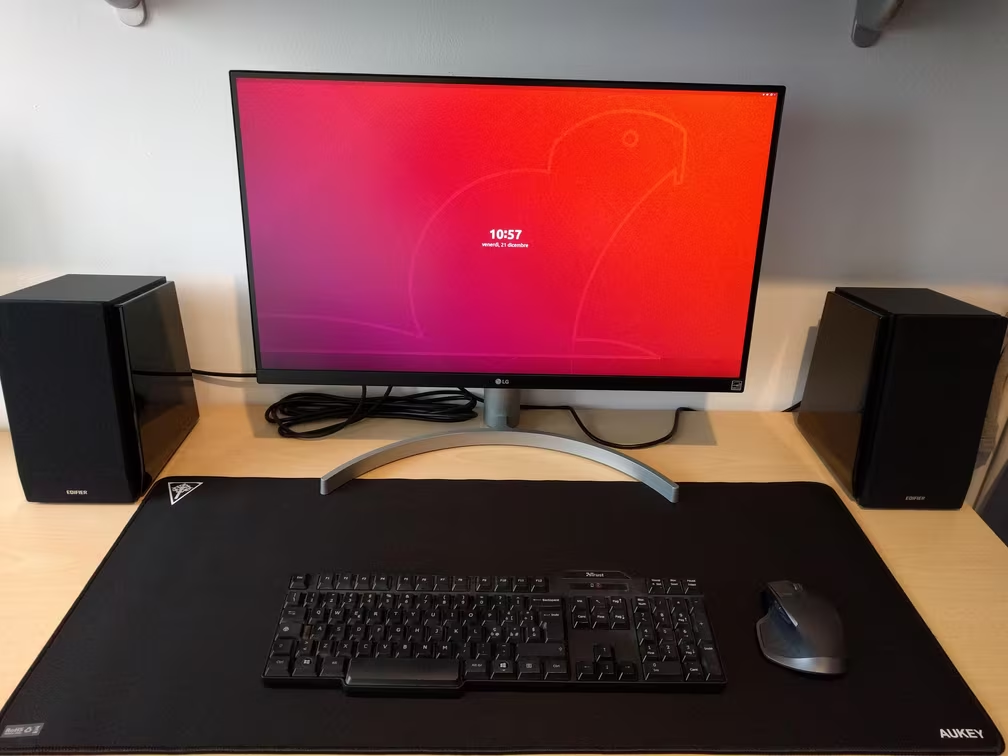
So I started installing and using Ubuntu 12.04, it was stable if you never touched the terminal, but as soon as I needed to install drivers and packages it always broke. Countless are the times I did a fresh install of the system because I knew nothing about programming and how to use the terminal.
Fedora
Year after year I dual booted Windows and Ubuntu, until 2020 when I finally decided to leave Windows forever and just use Fedora as my main operating system. At the time GNOME 40 was about to release, and I remember I always liked the way Ubuntu looked, so I was (and still am) all into GNOME.
Last year I had to use Fedora with KDE Plasma because of a specific missing feature in GNOME: in 2023 I bought an Asus Zenbook laptop with a really nice OLED display, the monitor can show P3 colors but at the time GNOME lacked proper color management while Plasma did, so in GNOME the colors were oversaturated.
But now, with GNOME 50 such a feature has been implemented (although still under a terminal command).
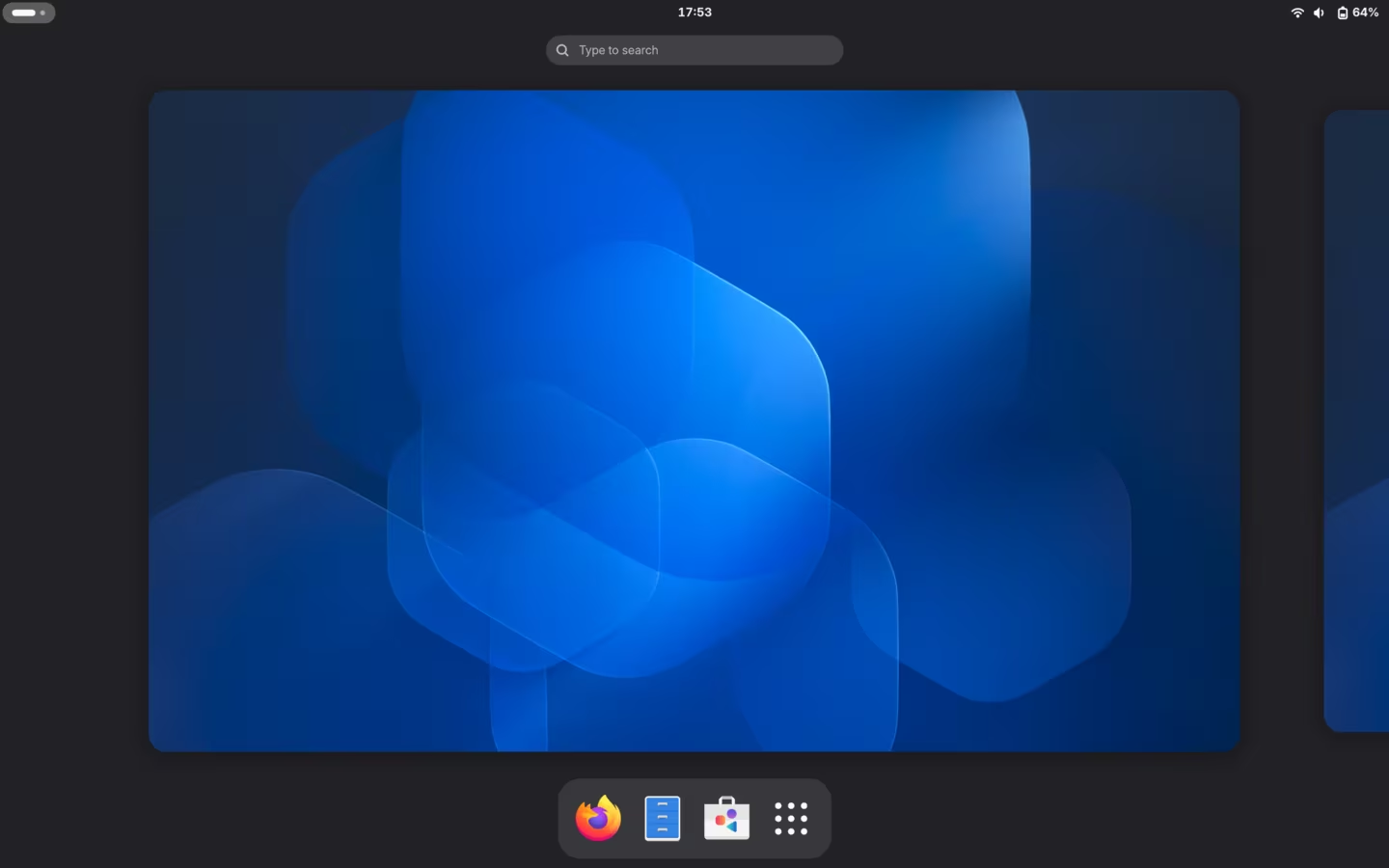
Finally, because of the fix, I could make the switch on my laptop to Fedora 44 with GNOME 50! 😆
I really like and enjoy the desktop environment being minimal, everything just works out of the box.
Linux has been improving year after year, and especially now with new technologies in place like Proton for gaming and Wayland for managing displays, it’s in the best shape ever!
I really like being able to turn HDR on with a simple switch, have the monitor calibrated (using EDID) and have fractional scaling working (these weren’t possible some years ago).
I’m glad that Linux exists thanks to Linus Torvalds, I’m glad communities and companies fighting for free and open-source software are real and, especially nowadays, there have been major leaps since when they started.